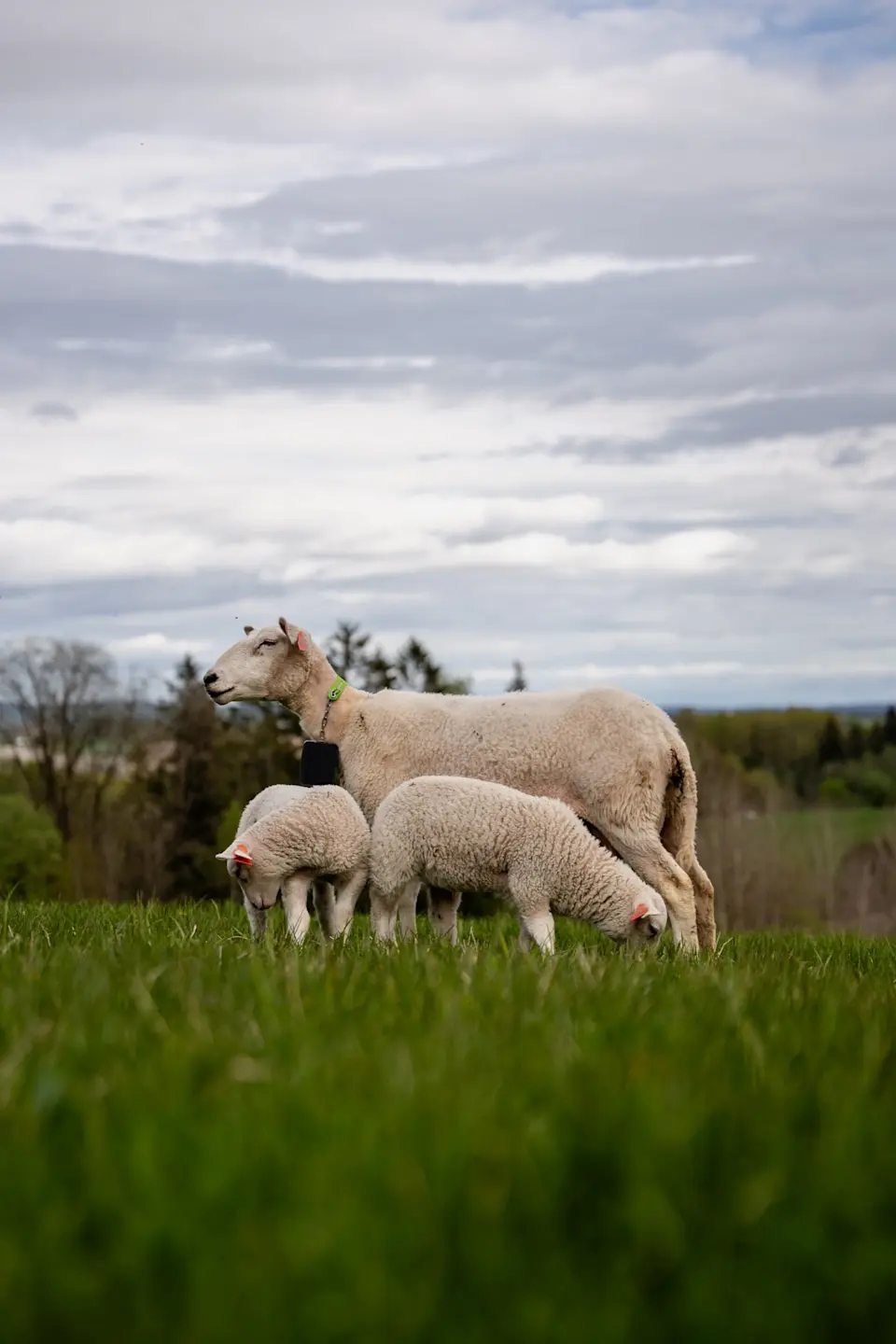
Before getting Nofence
The role of animal behaviour in virtual fencing
The role of animal behaviour in virtual fencing
The role of animal behavior in virtual fencing
The role of animal behavior in virtual fencing
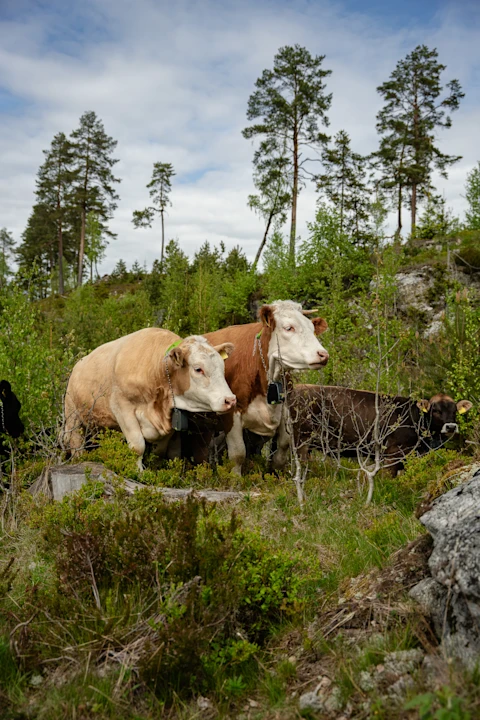
Nofence was designed around the natural instincts of herd animals. Our grazing technology is unique in that it works with, not against, animal behaviour.
Working with the herd's instincts
A herd's instinct is to stay together. This is what makes Nofence work, but it also means that uncollared livestock can make the system less effective. This is why every adult in the herd needs a collar.
Livestock without collars can cross the virtual boundary freely. When they do, the rest of the herd will try to follow, even if it means ignoring audio warnings and pulses. This puts more stress on the collared livestock, not less.
What about collaring only the dominant livestock?
This doesn't work the way you might expect. If the leaders stay within the boundary, the hierarchy shifts and new leaders emerge from the uncollared livestock. If the leaders cross the boundary to maintain dominance, the herd follows them out. Either way, the virtual fence loses its effect.
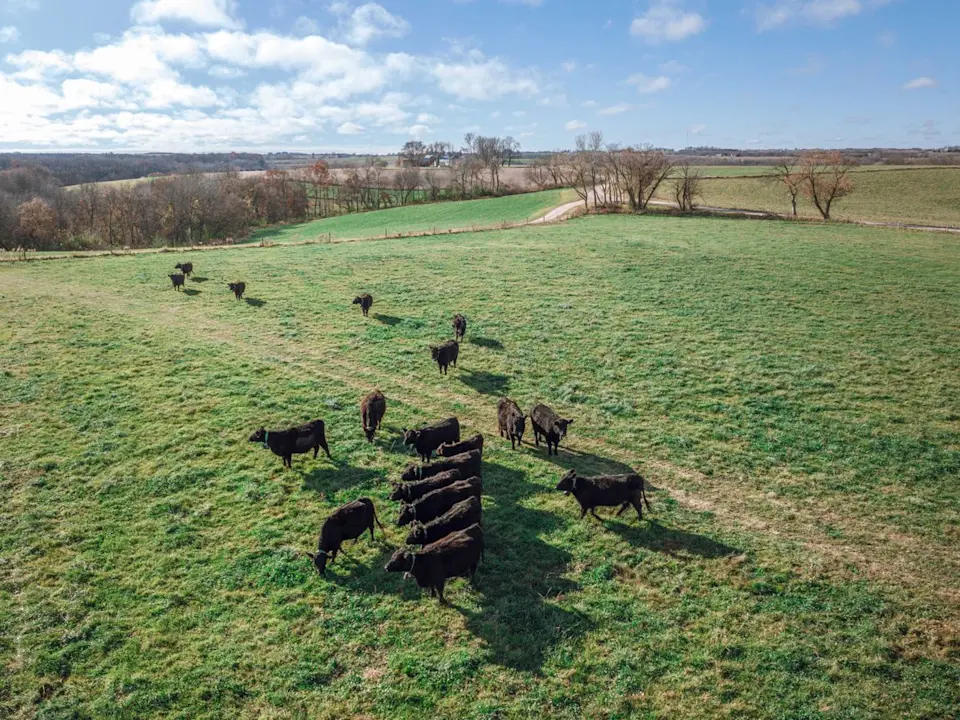
Why Nofence works best with medium to larger herds
Natural herd behaviours show that when one animal crosses the boundary, its instinct is to return back to the herd. In larger groups, this pull becomes stronger. In smaller groups, the other livestock may follow the single escapee instead of staying within their boundary. For this reason, the Nofence system is designed for herds of 5 to 200+ head.
Larger groups of livestock also learn the system more quickly. They learn both from their own interactions with the boundary, and from observing and following other members of the herd. This shared learning is one of the reasons Nofence becomes more effective as herd size increases.
For animal welfare reasons, we require a minimum of five collared adults per herd.
Calves, lambs, and kids
While at foot, they'll generally stay with their mothers and don't need their own collar. Therefore, we don't have a collar sized for young livestock.
Young animals become ready for a collar when they have reached a certain physical size (especially for smaller breeds) and when they are mentally mature enough to learn the system. Most young livestock that have followed their mothers already understand how it works.