Producer stories
Sustainable grazing practices on arid rangelands
Sustainable grazing practices on arid rangelands
 By Lindsey Weber
Sustainable grazing practices on arid rangelands
Sustainable grazing practices on arid rangelands
New Mexico State University
In the vast, dry landscapes of New Mexico, researchers at New Mexico State University (NMSU) are pioneering sustainable approaches to livestock management on fragile rangelands. Dr. Santiago Utsumi and Ph.D. student Andrés Perea are at the forefront of integrating virtual fencing technology to address the unique challenges of ranching in desert and semi-arid regions.
Their work explores how Nofence helps ranchers balance productivity with ecosystem conservation, offering a transformative way to manage grazing in these delicate environments.
Ranching in dry regions like New Mexico presents unique challenges. Physical fencing is not only costly but often impractical for vast terrain, leaving some areas overgrazed and others untouched. The harsh conditions make it difficult to maintain healthy pastures while ensuring livestock distribution across the land.
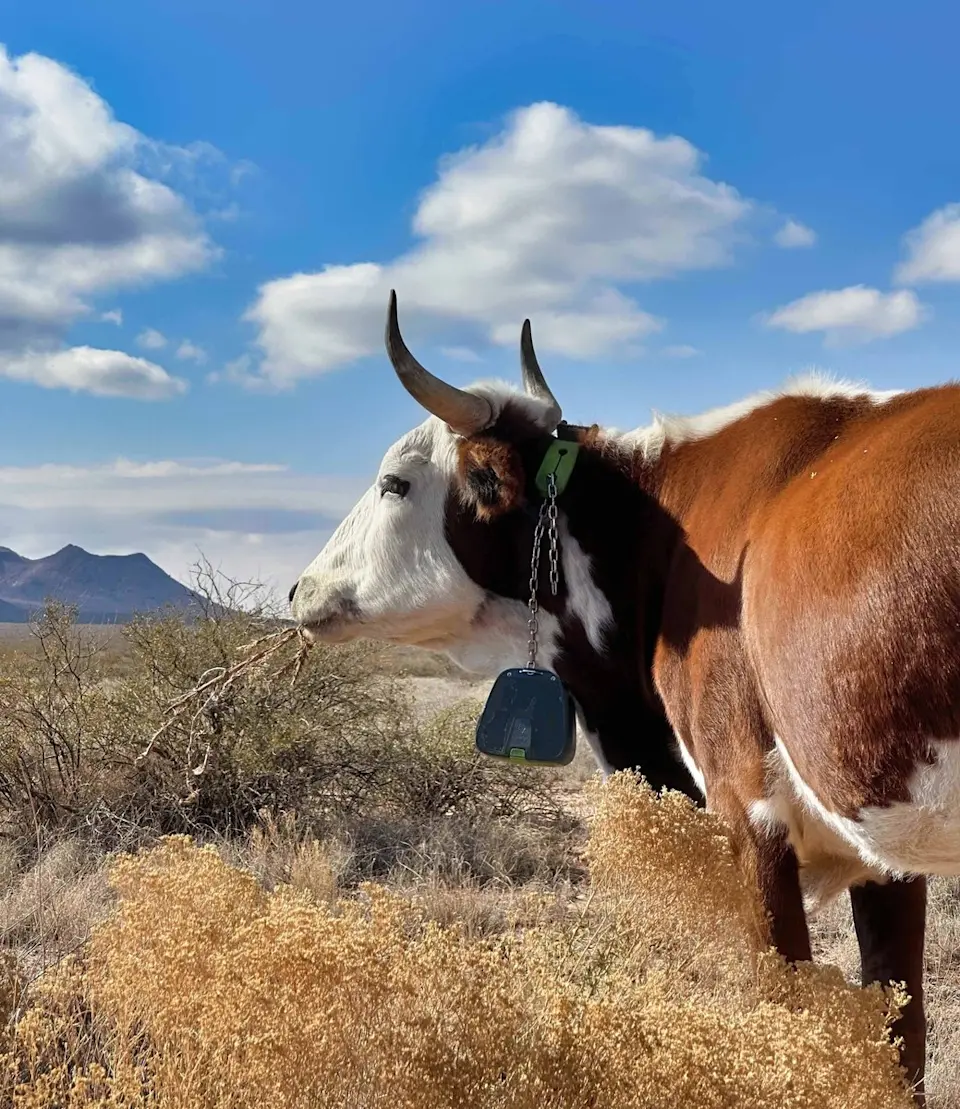
"Implementing virtual fencing allows us to manage grazing patterns precisely, promoting vegetation recovery and reducing soil erosion in these sensitive dryland ecosystems." - Dr. Santiago Utsumi, Associate Professor of Rangeland and Animal Science at NMSU
Adapting to the challenges of dryland ranching
"We have struggled with uneven grazing and soil erosion," shares Perea. "With Nofence, we can strategically guide cattle to underutilized areas, letting overused regions recover naturally."
Using GPS-enabled collars, the Nofence system allows ranchers to create virtual boundaries that can be adjusted in real time. This flexibility makes it easier to adapt grazing patterns to seasonal changes and water availability, all managed conveniently through the Nofence app.
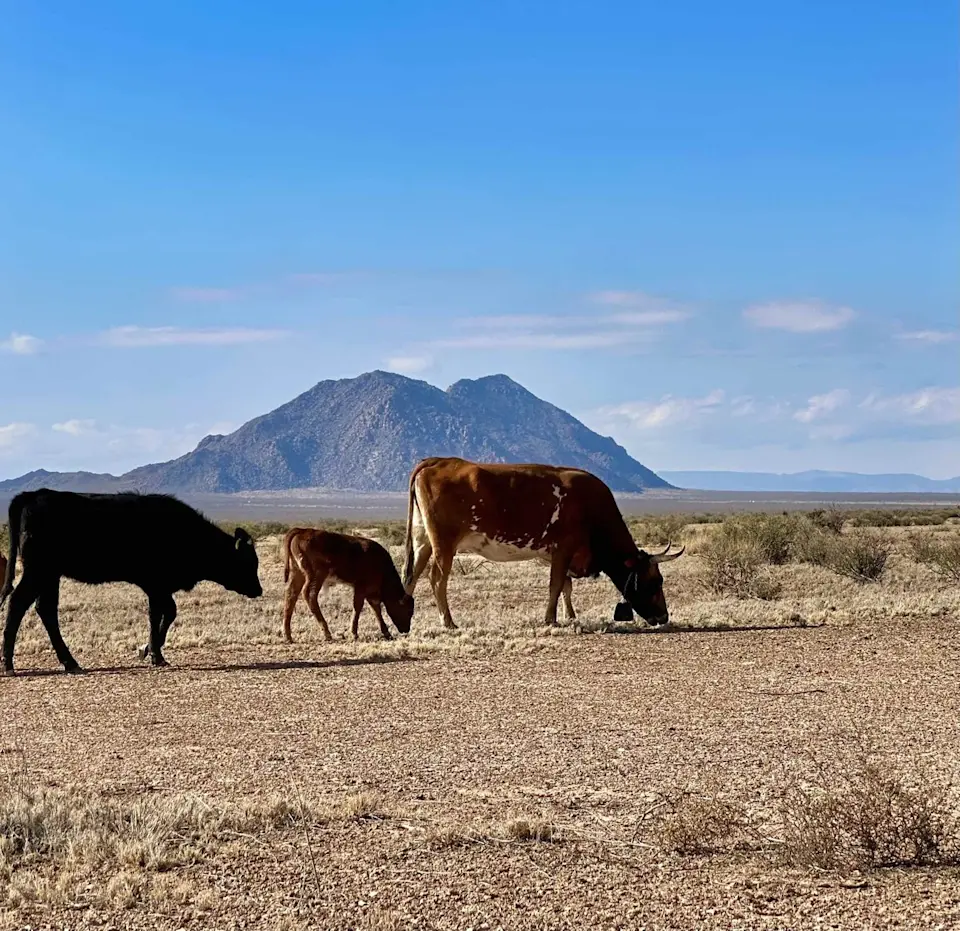
A holistic solution – environmental and economic benefits
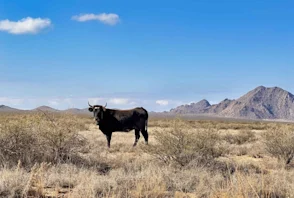
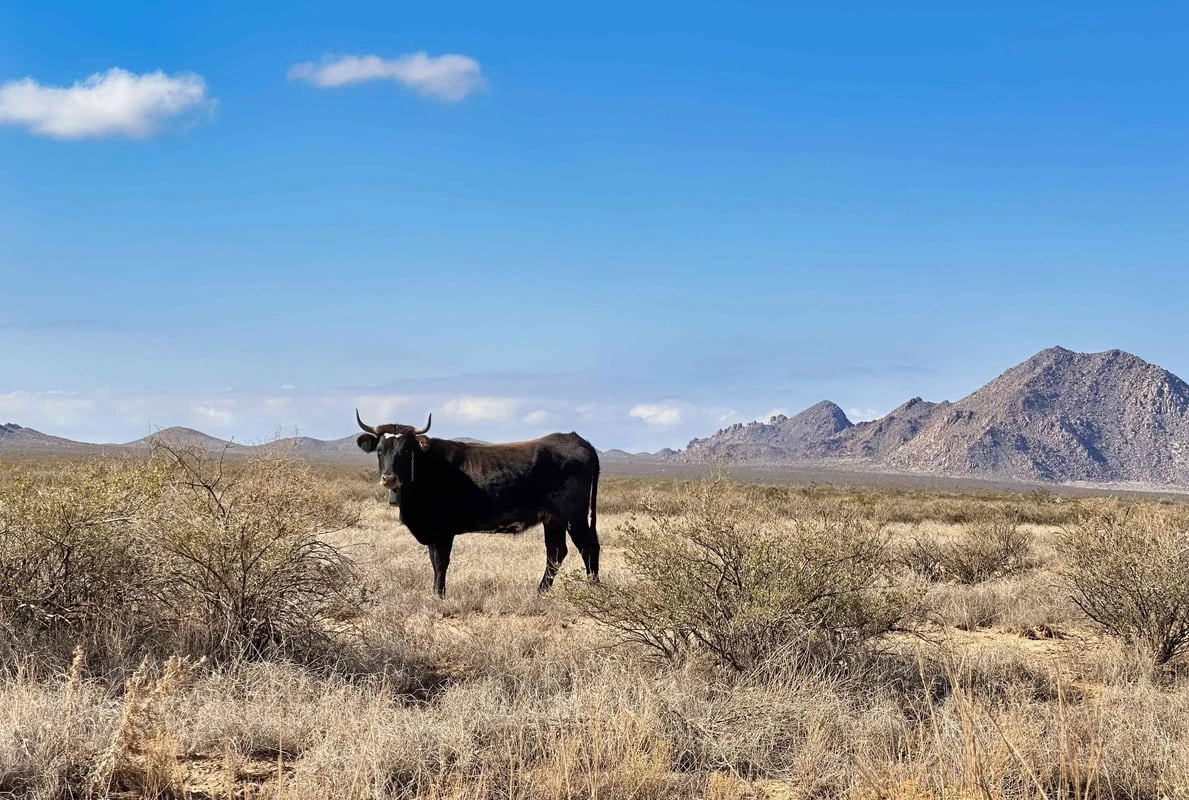
“Physical fencing locks ranchers into rigid boundaries, while virtual fencing allows us to adapt to the needs of both the land and the herd,” Dr. Utsumi adds.A cow wearing a Nofence collar grazes on diverse forage, supporting sustainable grazing practices in the arid New Mexico environment.
"Our goal is to find practical solutions that help ranchers manage their land sustainably while maintaining productivity. Nofence technology plays a key role in achieving this by enabling flexible grazing management." - Andrés Perea, Ph.D. student in precision ranching at NMSU
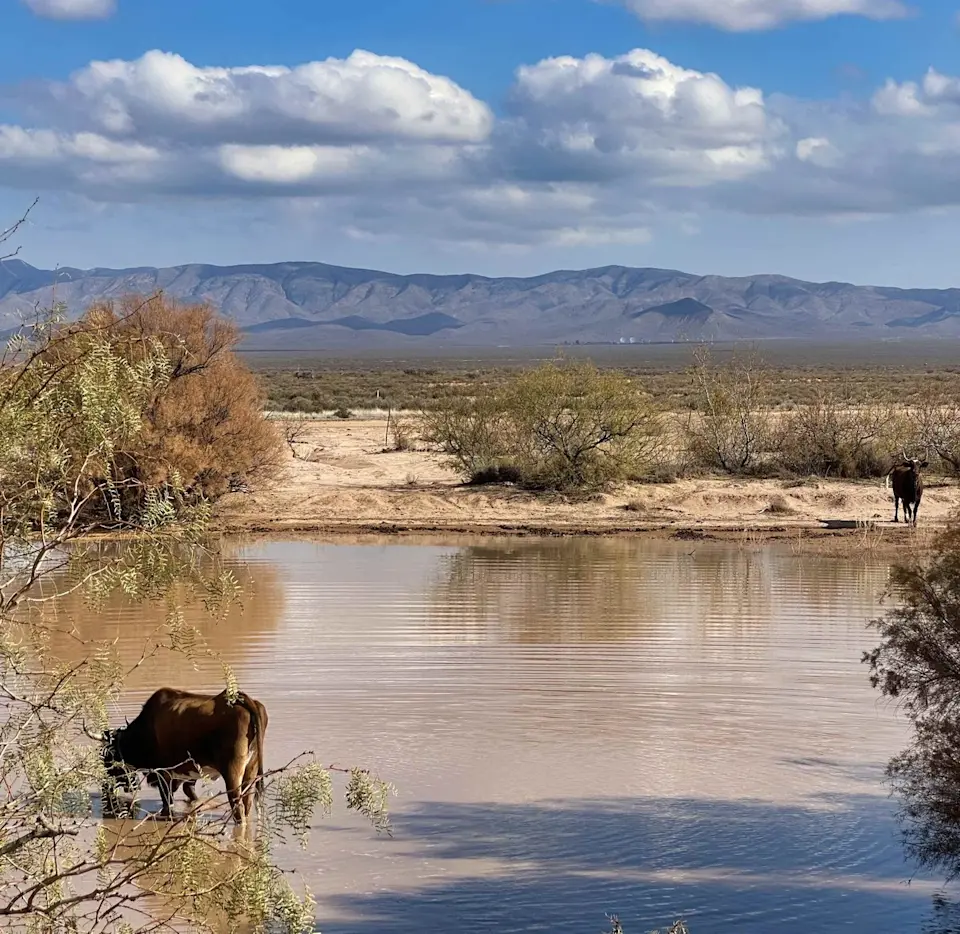
Pioneering a sustainable future
The environmental benefits of Nofence are clear. By guiding cattle to graze invasive plants and distribute grazing more evenly, ranchers can help native vegetation recover and reduce soil erosion. This proactive approach strengthens biodiversity and creates healthier, more resilient rangelands. "Our research demonstrates that with proper grazing management, cattle can play a key role in restoring drylands," says Dr. Utsumi.
Related stories
Related stories