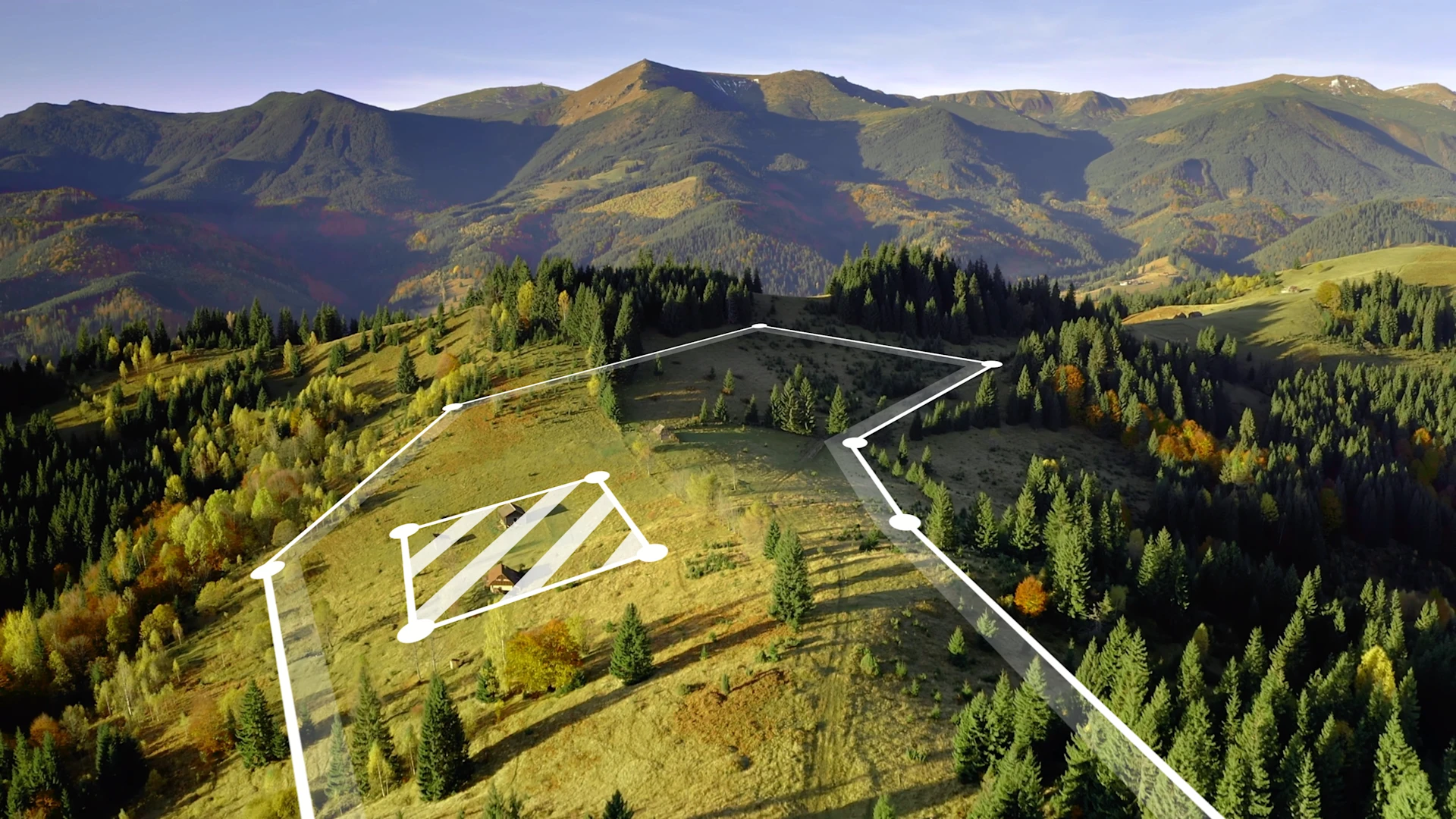
How Nofence works
How Nofence works
Grazing, herd management, and livestock monitoring, all on one platform.
A platform for precision livestock management.
A platform for precision livestock management.
How the virtual fence works
Audio warning
When livestock approaches the boundary, the collar plays a sound cue, giving them time to turn back.
Pulse
If they continue past the boundary after the full warning, the collar delivers a short pulse.
Herd instinct
Livestock learn from each other, so once one respects it, the rest will usually follow suit.
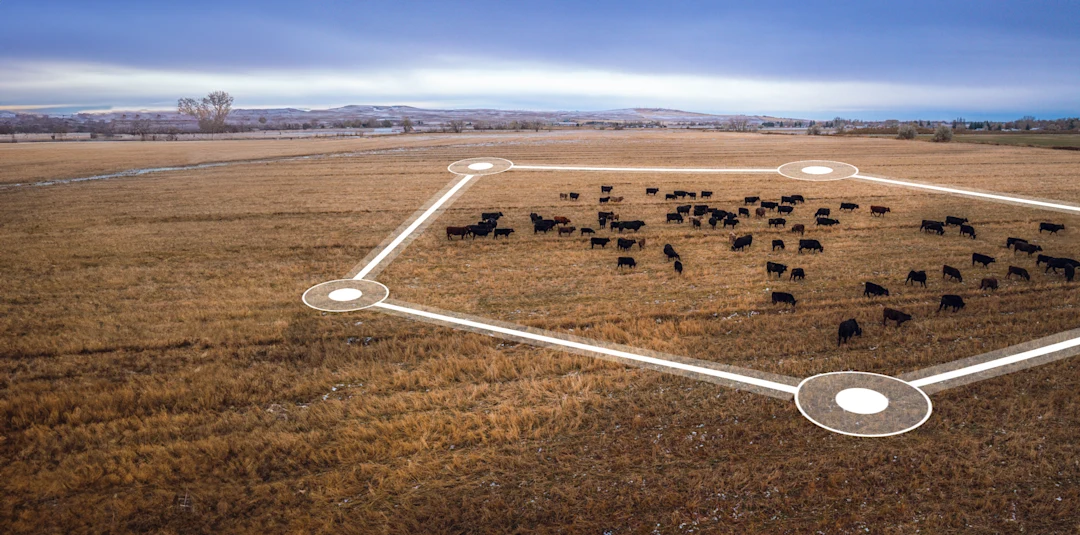
One platform. Three jobs.
One platform. Three jobs.

Containment
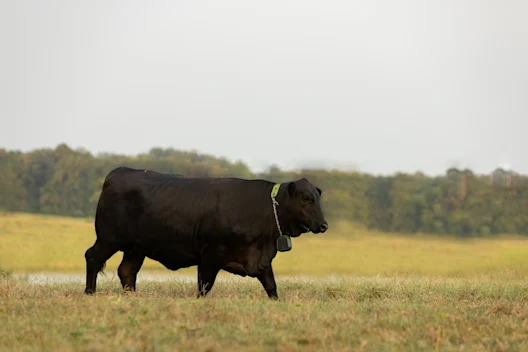
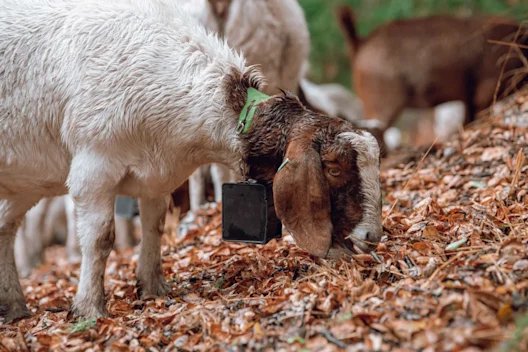
Each animal wears a solar-powered GPS collar. Draw your boundaries on your phone, and reach a 99.7% containment rate as your herd learns to respect them.

Insights
Track individual and herd activity, grazing patterns, and land use, all accessible from anywhere on your Nofence app.

Action
Get alerts the moment something needs your attention, and manage your herd with precision.
From your pasture to your phone in seconds
From your pasture to your phone in seconds
Scroll to follow the signal down
GPS
The GPS collar tracks your herd's position and holds the virtual boundary.
Satellite
Keeps you updated in remote areas with no cellular coverage.
Cellular
Makes sure pasture changes, position updates and activity alerts are sent and received by you phone
HerdNet™
Lets collars relay the connection to each other where cellular is weak or patchy.
The collar
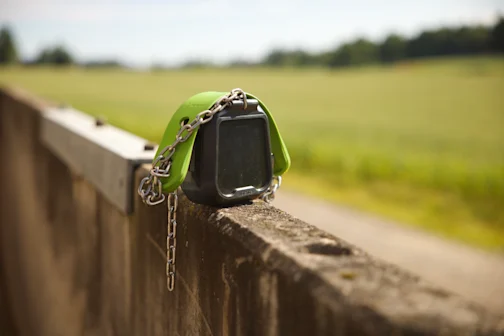
Solar-powered, durable, and built to run for a season without charging.
From collar to app
The signals travel from collar to your app.
The app
Where you monitor, manage, and act on everything the collar sends back.
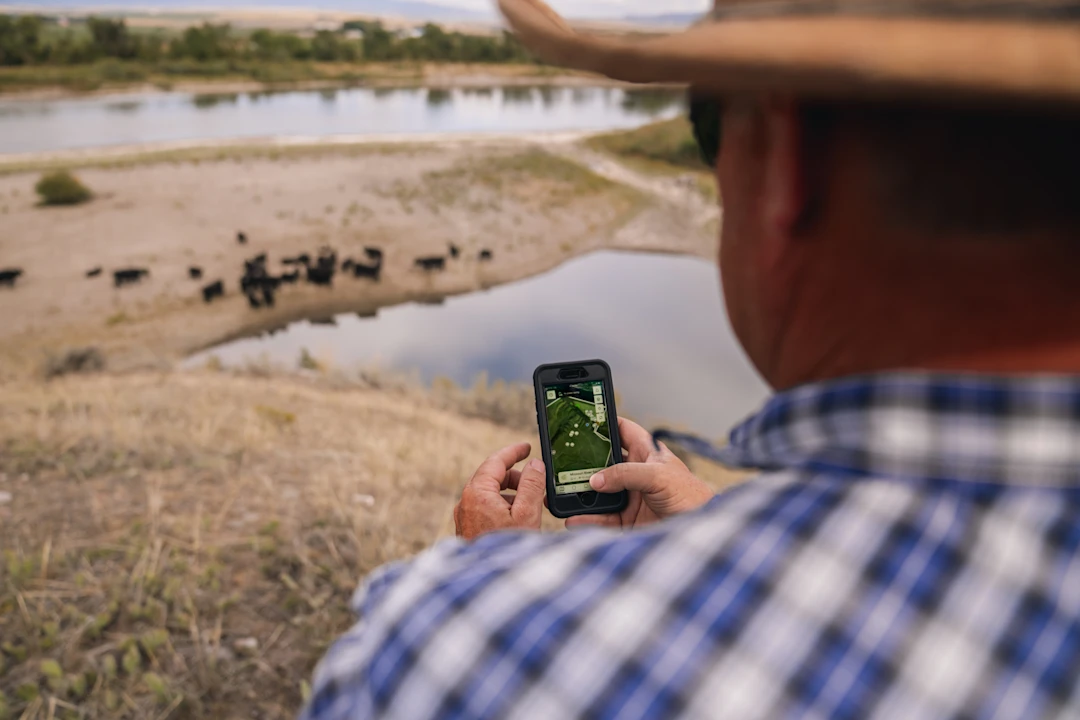
Always on, wherever you are.
Always on, wherever you are.
All of our connectivity layers run simultaneously, so your herd stays connected and contained, no matter what.

Cellular
The primary connection, everywhere it's available (AT&T, T-Mobile, and Verizon).

HerdNet™
Relays the connection collar-to-collar when the cellular signal is weak.

Satellite (Coming in Spring 2027)
Keeps your collars connected, even when there's no cellular signal at all.
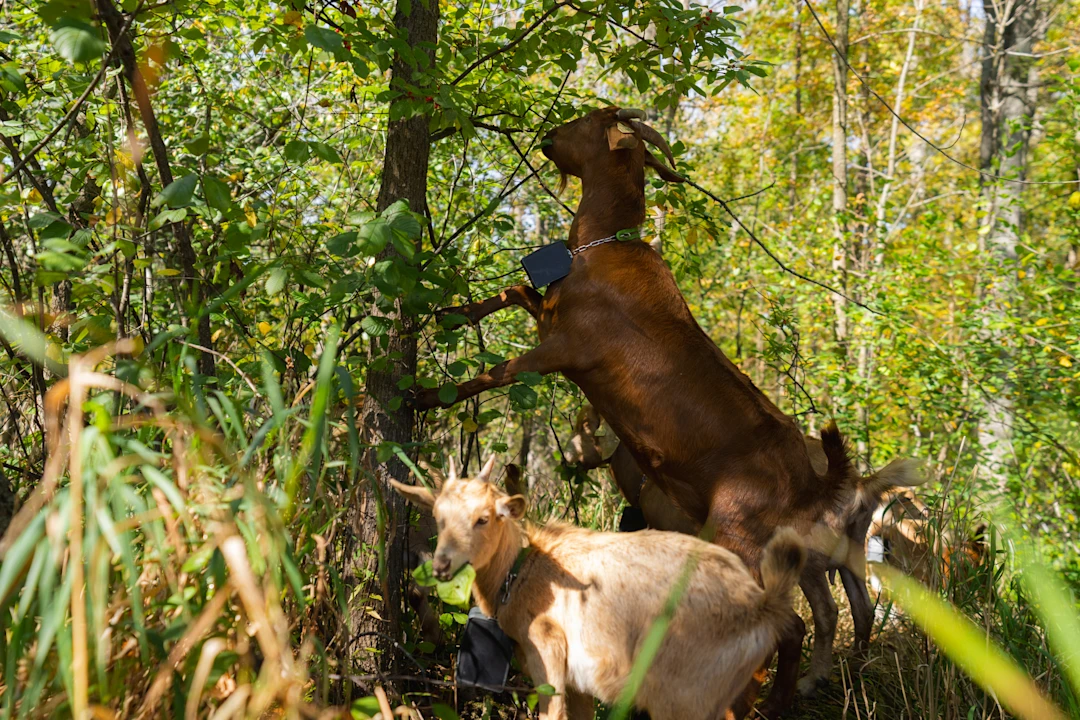
Animal health & welfare
Animal health & welfare
After training, 96% of boundary interactions are resolved with sound alone, no pulse needed. Independent research confirms stress levels comparable to traditional electric fencing.
Collars also monitor activity continuously, giving you an early warning system for health issues no physical fence can offer.
New ground. New business. New techniques.
New ground. New business. New techniques.
Nofence unlocks grazing you couldn't manage before, without adding work to your day.
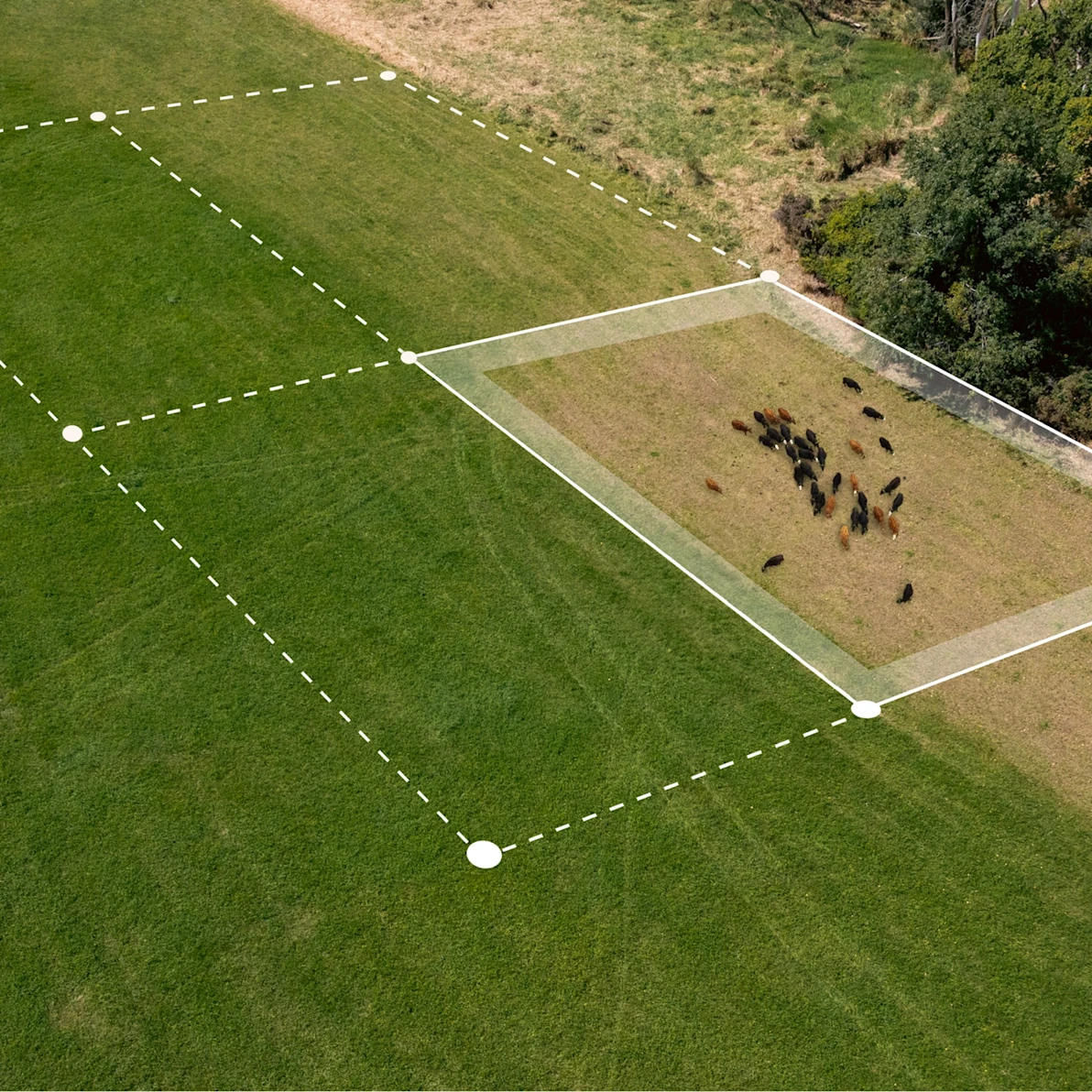
Strip grazing
Move strips forward in minutes, no post or wire. Heat maps show exactly where animals grazed, so you can fine-tune timing in real time.
Rotational grazing
Plan your rotation before the season starts, and execute them from wherever you are.
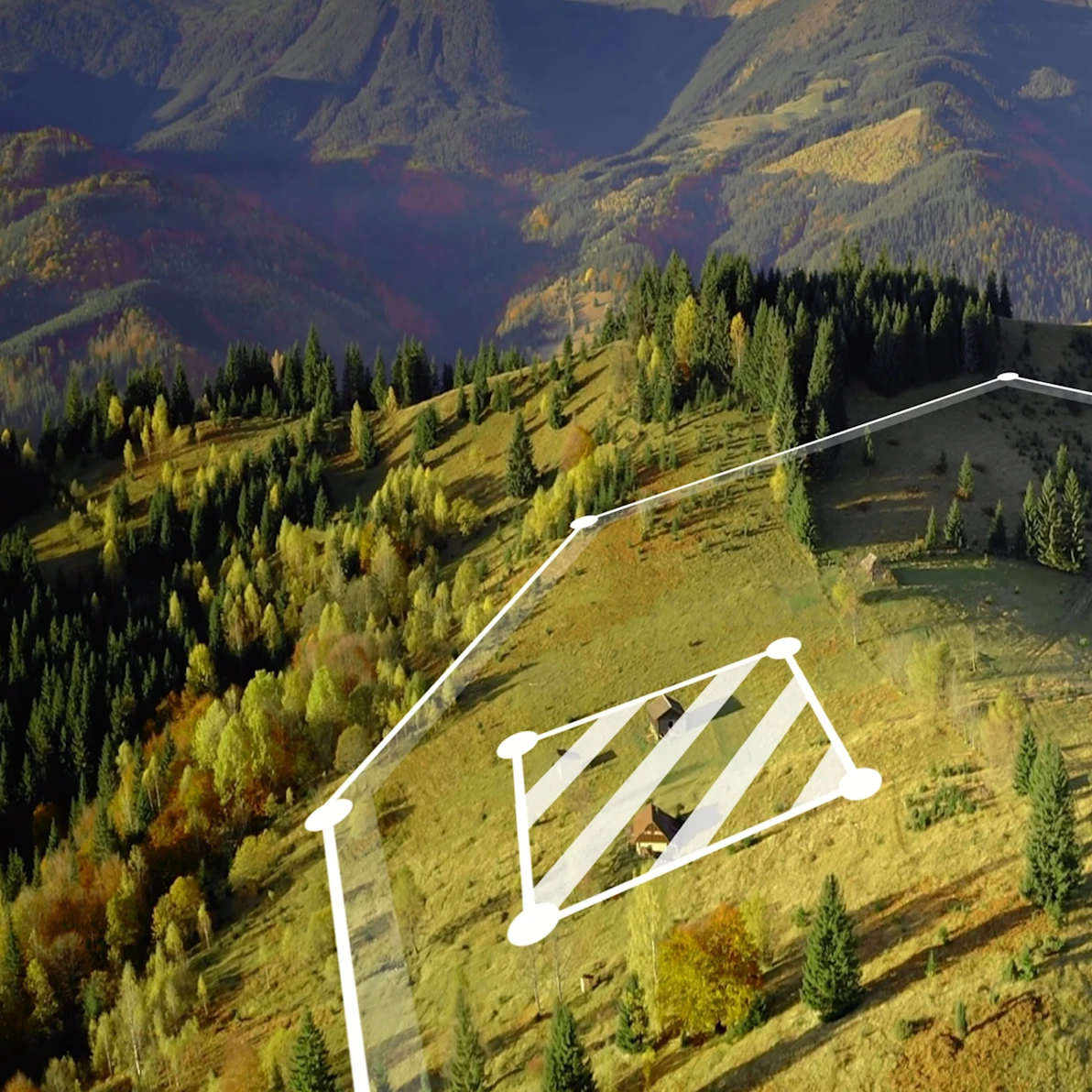
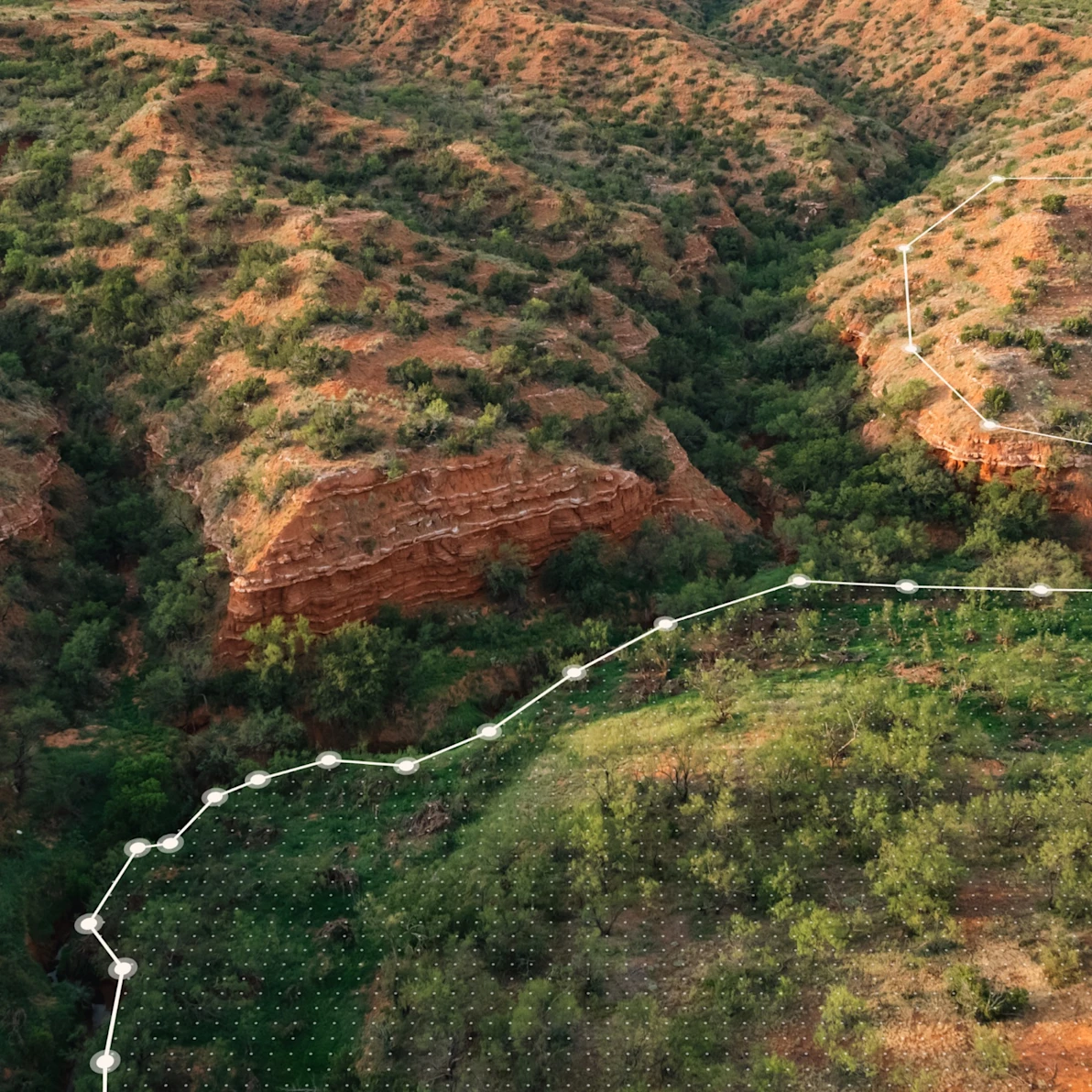
Extensive grazing
Track your herd across terrain traditional fencing can't reach, and put land back into production.
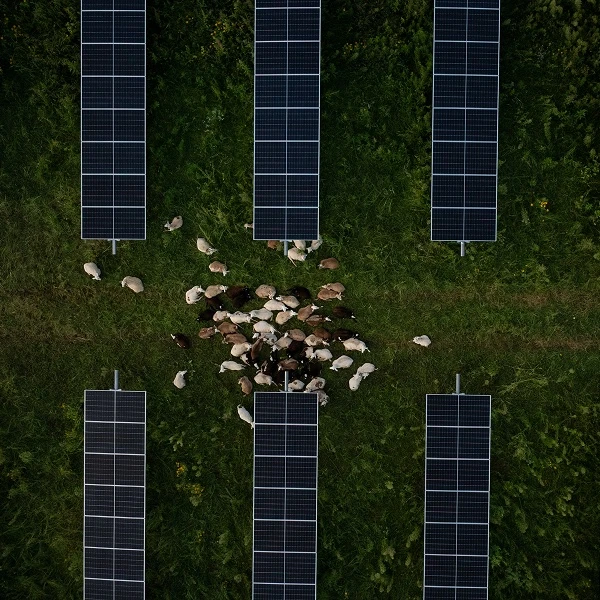
Contract grazing
Precision control for any site that needs vegetation managed: solar farms, golf courses, conservation land, and more.
How producers use Nofence
How producers use Nofence
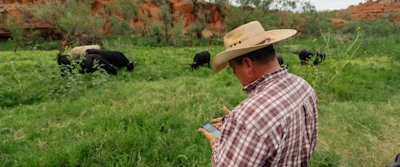
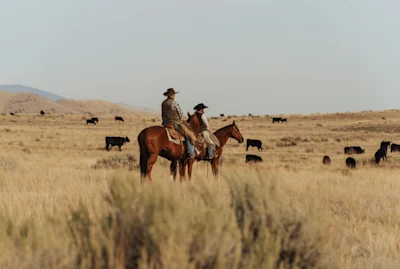
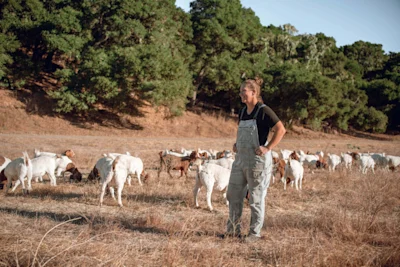
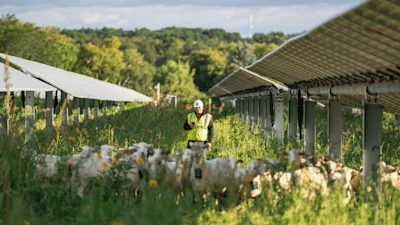
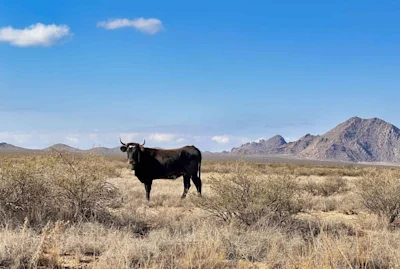
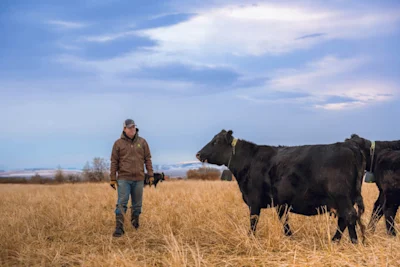
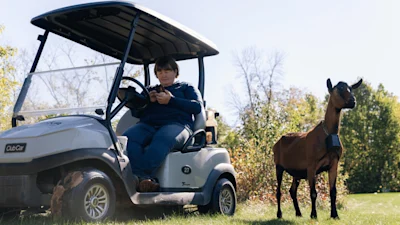
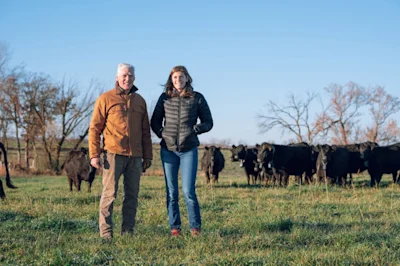
What are you running?
What are you running?
A note on satellite connectivity
A note on satellite connectivity
Satellite connectivity will be available on the new Nofence cattle collar (N3) in spring 2027. Sheep and goat collars connect via mobile and HerdNet™.
Frequently asked questions
How does Nofence virtual fencing work?
Each animal wears a solar-powered GPS collar. You draw a pasture boundary in the Nofence app on your phone. When an animal approaches that boundary, the collar plays an audio cue. If the animal continues moving past the line, the collar delivers a brief electrical pulse - similar to the sensation of a traditional electric fence. Most livestock learn to respond to the audio cue alone within a few days, and pulse exposure drops off sharply after the initial training period. There's no buried wire, no base station, and no infrastructure to install.
Does Nofence require a base station or on-farm infrastructure?
No. Nofence runs over the cellular network, while also leveraging Bluetooth and satellite technology. There's nothing to install on your property. Your livestock will always be contained by the virtual boundaries, even if there is no cellular signal where they are grazing. This makes it practical for leased land, rented acreage, remote pastures, and rotational setups across multiple properties. If you are interested in learning more about how we use Bluetooth to power our HerdNet™ technology, read below.
How does collar-to-collar communication work over HerdNet™?
HerdNet™ is an energy-efficient system built using Bluetooth Low Energy that enables collars to communicate with each other. If just one collar has a signal, that collar fetches updates and shares them with nearby collars via Bluetooth and visa-versa. The whole herd stays online without every collar needing its own connection to the cellular network.
Is virtual fencing safe for livestock?
Yes, when used as directed. The collar uses a two-step cue: an audio warning first, then a brief electrical pulse only if the animal keeps moving toward the boundary. The pulse is comparable to the sensation of a standard electric fence. Independent research comparing virtual fencing to conventional electric fencing found no meaningful difference in cortisol levels - a key stress indicator - between the two groups. The UK's Animal Welfare Committee concluded that virtual fencing can be used without detriment to animal welfare when proper protocols are followed.
How long does it take to train livestock to use Nofence?
Most cattle, sheep, and goats learn to respond to the audio cue within four to seven days. During training, Nofence recommends layering the virtual boundary over an existing physical fence so livestock have a familiar reference point while they adjust. Once a herd stays within the boundary consistently for four consecutive days, they're considered trained and can be moved to open pastures using virtual boundaries alone. Animals that have been trained once tend to pick it up quickly again if reintroduced after a break.
Does every member of the herd need to wear a collar?
Yes, all adult animals in the herd need to be collared. This is important for animal welfare as well as containment. A herd's instinct is to stay together. This is what makes Nofence work, but it also means that having uncollared livestock can make the system less effective. Livestock without collars can cross the virtual boundary freely. When they do, the rest of the herd may try to follow, even if it means ignoring audio warnings and pulses. This puts more stress on the collared livestock, not less. Collaring only the dominant livestock also doesn’t work as you might expect. If the leaders stay within the boundary, the hierarchy shifts and new leaders emerge from the uncollared livestock. If the leaders cross the boundary to maintain dominance, the herd follows them out. Either way, the virtual fence loses its effect. Full-herd collaring ensures the system works as intended and that no animal is put at risk by following others across a boundary.
How accurate is the GPS boundary?
The Nofence collar uses multi-constellation GNSS to check an animal's location several times per second while near boundaries. Further from boundaries, it checks the location every few seconds. This all happens locally on the collar, with no cellular connection required, meaning that the virtual fence works reliably even in areas with poor coverage.
The positions you see in the app show where the collar was the last time it checked in with the server. The system works best with a modest buffer (+/- 3-5 meters) built into the boundary design rather than expecting pinpoint accuracy. For most grazing applications this isn't a limitation, and the app makes it easy to draw and adjust boundaries with that in mind.
How good should my cellular coverage be?
It doesn't need to be strong at all. Even if your phone shows zero bars in the pasture, your collars can usually maintain a connection. The collars use LTE-M (Cat-M), a low-bandwidth cellular network engineered specifically for smart devices. LTE-M reaches much farther than standard phone coverage while using minimal battery power. Also, unlike smartphones - which are locked to a single carrier - the collar uses multi-network SIM technology. It automatically connects to the available operator in your pasture, regardless of network.
Plus, the collars form their own local mesh network (HerdNet™) via Bluetooth. As long as a single collar in the herd catches a cellular signal, it can sync boundary updates and relay them to nearby collars in spotty coverage areas.
What happens if the cellular signal drops?
If a member of your herd moves outside cellular coverage, the collar continues to function and contain the animal using its last known boundary data and continuous GNSS updates on the animal’s location. The collar stores boundary information locally, so a signal drop doesn't mean the boundary disappears. You'll receive an alert in the app if a collar goes offline, so you can take action if needed. If you want to better understand how you can check the network coverage in your grazing areas, contact our team and we’re happy to help.
Does Nofence communicate to satellites?
N3 collars come with satellite-ready hardware. Satellite connectivity is coming in Spring 2027. If you are interested in beta testing satellite connectivity, contact your Sales or Customer Success representative
How long does the collar battery last?
All Nofence collars come with a built-in battery and solar panels for charging in sunlight. Under normal outdoor conditions, the solar panel keeps the collar charged indefinitely with no additional charging needed. In periods of prolonged low light (extended cloud cover or short winter days), battery reserves provide continued operation for approximately 120 days for our cattle collars, and approximately 60 days for our Sheep/Goat collars. Collar battery status is visible in the app at all times, so you can monitor charge levels across your herd remotely. Our collar batteries have minimal degradation, last about 10+ years with normal use, and are covered by a warranty.
Can Nofence be used on leased or rented land?
Yes, and this is one of the most common reasons producers choose Nofence. Because there's no physical infrastructure to install or remove, you can set up grazing areas on any land with cellular coverage - including leased pastures, conservation land, USDA grazing allotments, and solar grazing sites. Boundaries can be drawn, moved, and deleted entirely in the app, leaving no trace on the land.
What does Nofence cost?
Purchasing the Nofence system includes a one-time hardware purchase (the collars and any needed accessories), along with an ongoing monthly or annual subscription, which is paid per collar in use. This subscription covers connectivity, app access, and software updates. There's no installation cost and no infrastructure investment.You own the hardware and the data generated by your use of the collars. Use the Build Your Setup tool on our website to get a pricing estimate based on your herd size. Financing options and USDA EQIP funding may be available depending on your location - see our funding page for details.
Who owns the data?
As a Nofence user, you retain all rights and ownership of the data generated by you and your use of the product. Nofence will not sell your data to third parties without your consent. You can read more about our product and subscription terms here: https://www.nofence.com/product-and-subscription-terms-2026-07-01/
Can Nofence replace all of my existing fencing?
For many operations, yes. Nofence can be the primary containment system for trained livestock on open pasture. That said, most producers continue to use some physical fencing for specific purposes: handling facilities, perimeter fencing, or managing calves and young stock not yet old enough to be collared. Nofence is designed to work alongside your existing setup, not to fully replace it.
Is Nofence available in my area?
Nofence is currently available across the United States, UK, Ireland, Norway, Sweden, and Spain. Coverage availability within those markets depends on cellular signal strength in your grazing areas. If you're unsure whether your land has sufficient coverage, contact our team - we can help you check before you commit to anything.