Before getting Nofence
Livestock handling facilities for collar fitting
Livestock handling facilities for collar fitting
Livestock handling facilities for collar fitting
Livestock handling facilities for collar fitting
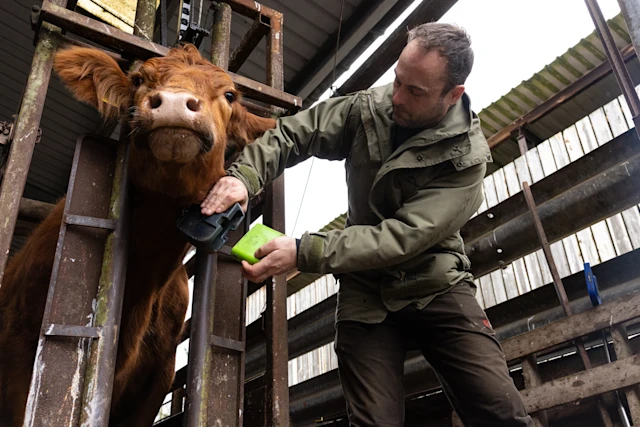
Nofence gives you the flexibility to graze both existing and new pastures. To start accessing these benefits, you’ll first need to put a collar on every member of your herd. Having the right handling system can make this process safe and efficient.
Designed for safe fitting
Fitting collar devices around the neck of cattle can be difficult and potentially dangerous. Nofence collars are designed so you can fit them without putting yourself at risk. The collar can be secured around the neck from a safe position, without needing to reach over or around the animal.
Before getting Nofence, it's important to have a good livestock handling system in place. A handling system allows you to:
Fit and adjust collars and neck straps, especially on growing livestock
Replace batteries when needed
Remove collars from livestock
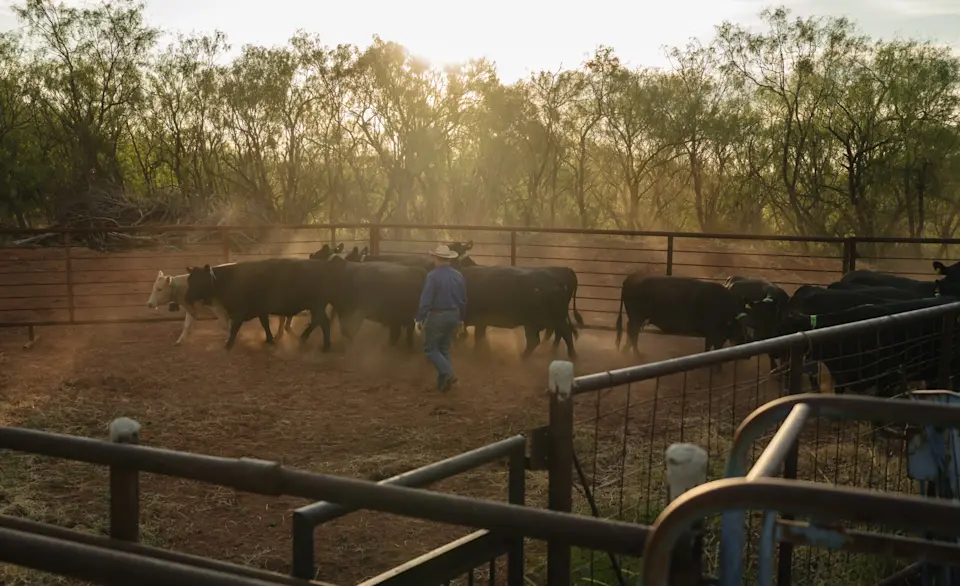
Compatible with your livestock handling setup
Nofence works with whatever handling system suits your operation. Common options include:
Chutes and crushes for cattle
Head locks and stanchions at feed barriers
Handling races and pens
Mobile yards for remote pastures
Barn infrastructure during routine handling
Collaring tame herds
Some farmers have tame enough herds that they can walk up to livestock and make adjustments to collars in the field without any equipment. Others prefer a mobile crush they can bring to pasture, or use existing facilities during routine handling like feeding or health checks.
Collaring herds larger than 100
For herds in the hundreds, using handling facilities with Nofence is standard practice. The collars are built to be robust and withstand normal use in chutes, crushes, and other common handling equipment.
Handling in sheltered areas
If your handling facility is inside a building such as a barn, we recommend installing a shelter beacon to prevent unwanted audio warnings or pulses while livestock are being handled.
If you use a trailer or mobile unit, remove your livestock from the virtual pasture in the app before driving out of the boundary. This ensures they won't receive warnings during transport.
Nofence collars are not designed for lactating dairy cattle. Here's why.
Nofence collars are not designed to pass through milking machines. Most milking parlors have limited space around the neck area, and the collar could interfere with the equipment or become damaged during the milking process. Since dairy cows are typically milked twice a day, removing and refitting collars each time would not be practical.
For this reason, Nofence is best suited for:
Dry cows out on pasture between lactations
Dairy heifers and youngstock being raised on grazing land
Beef suckler herds where milking is not required
Non-milking dairy operations such as nurse cow systems
If you run a mixed operation, you can use Nofence on the non-milking part of your herd while managing milking cattle with traditional fencing.
If you're unsure what will work for your operation, our team can help you plan ahead before you get started.