What about predators?
What about predators?
Predators are a fair concern, and one that deserves a straight answer.

A virtual fence won't keep predators out. There's no wire, no barrier, nothing physical standing between your livestock and a threat. That's true, and we're not going to argue otherwise.
A physical fence attempts to do two things: keep livestock in and predators out. But then a tree comes down, a section washes out, or wildlife knocks down a post. If there's a way through, predators find it.
And when they do, then what?
When flight instinct takes over
When flight instinct takes over
When a predator shows up, the dynamic changes. Here's how.
Survival instinct wins
The mild pulse won't override survival instinct, and we wouldn't want it to. Once livestock cross the boundary, the system registers them as escaped and corrections stop. They're free to run.
Room to escape
Nothing is boxing them in. Livestock can scatter and put distance between themselves and the threat. Once back within the boundary, the collar reactivates with no correction on the way in.
You'll know something happened
You'll know something happened
When livestock break through the boundary, you get an alert. At 2am if that's when it happens. A physical fence has no way to tell you it's been breached.
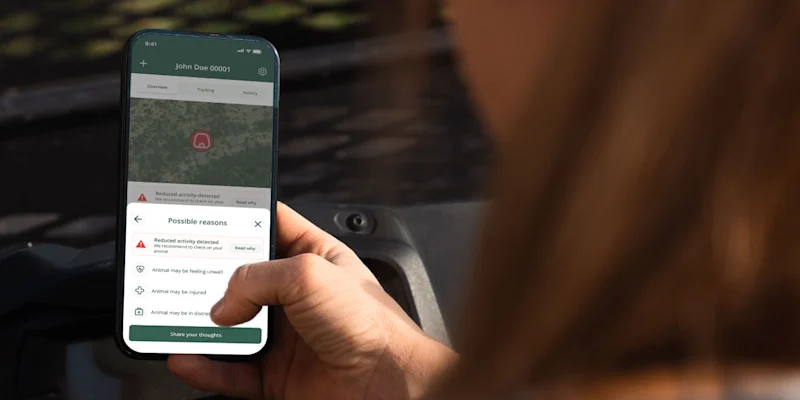
Immediate alert
When livestock escape the zone, your phone notifies you right away, with their exact location.
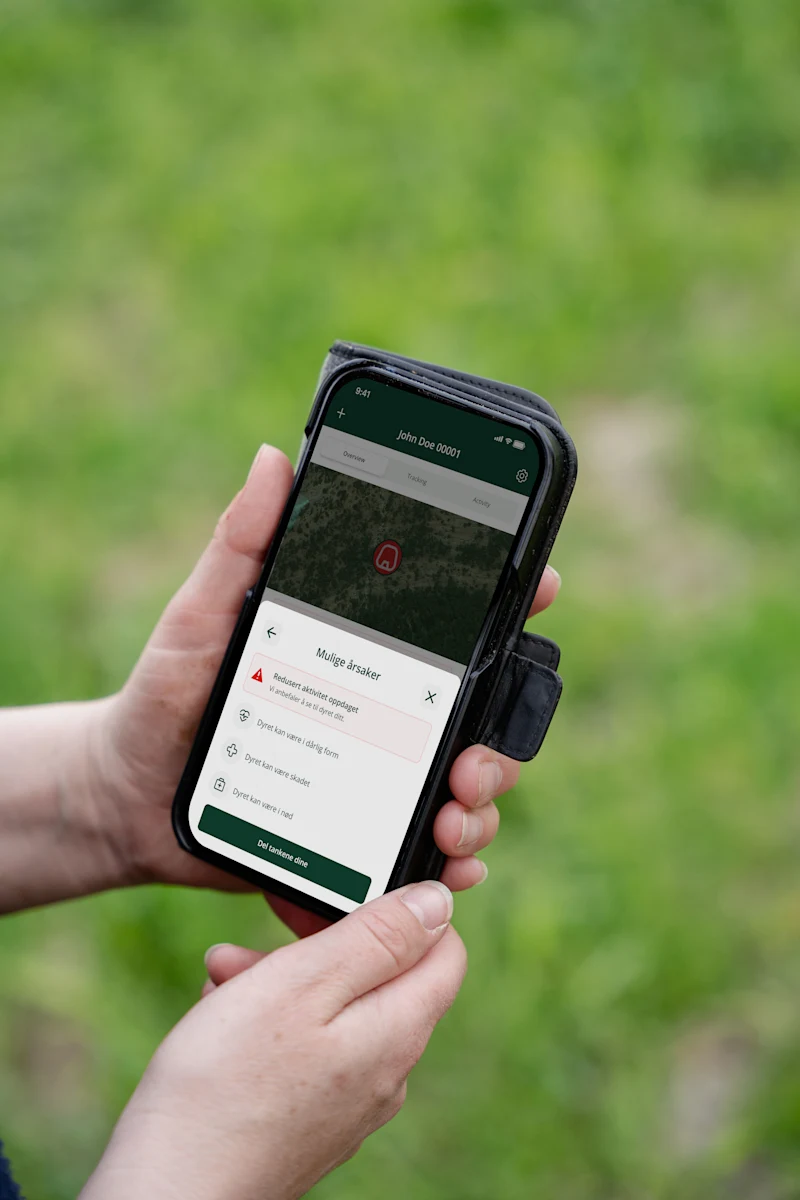
Movement history
The app records activity leading up to the escape. You can see what happened, when, and where the livestock went.
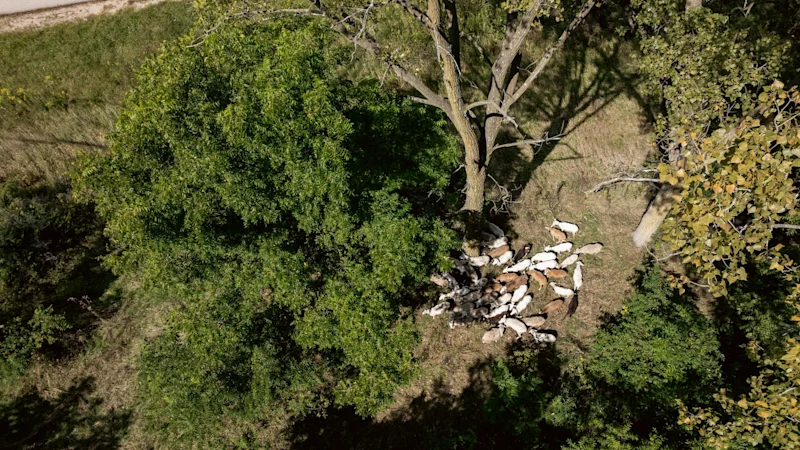
Recovery and documentation
GPS data makes finding livestock faster, including injured animals that need immediate attention. It also gives you a documented record for insurance claims.
The bottom line
The bottom line
Nofence doesn't eliminate predator risk. If predator pressure is severe in your area, a dedicated predator fence may be the right tool for parts of your operation. What Nofence gives you is visibility and a system that works differently under pressure.
Ready to get started?
Let's talk
Let's talk
Connect with one of our experts and discover how virtual fencing can create new opportunities for your operation.