Fitting collars on younger livestock
Fitting collars on younger livestock
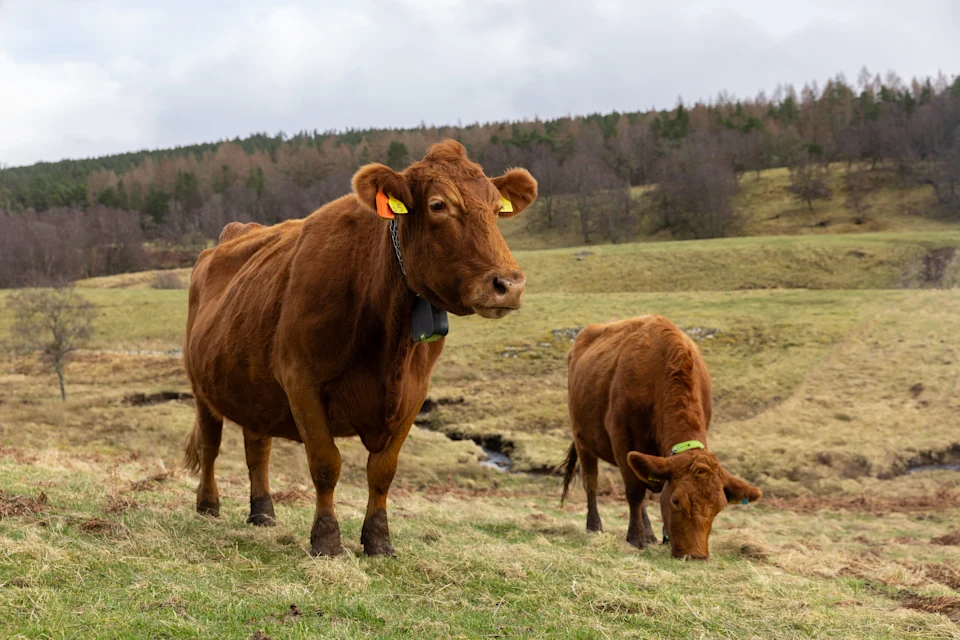
At Nofence, we recognize that managing young livestock requires special considerations. While adult cattle, sheep, and goats require collars for the system to function, the rules for young stock "at foot" are a bit more flexible.
Do young livestock need collars?
Currently, Nofence does not offer collars specifically sized for very small offspring. Because calves, lambs, and kids naturally stay close to their mothers, they generally stay within the virtual boundary without needing their own device.
However, as your young stock grows, there are three factors to monitor to ensure the system remains effective:
The benefits and risks of letting young livestock “edge graze”
Young livestock will naturally stray a few meters from their mothers. This can be a major benefit; many farmers report increased daily weight gain because the young stock can "edge graze" on fresh grass just outside the virtual line.
Before allowing this, consider what is on the other side of the fence. If it is a neighbor’s garden or a busy road, the lack of a collar on the young livestock may become a liability.
Weaning and independence
As individuals age, their physical connection to their mother changes, and they will wander further from her side. By the time they reach 6 months of age, most young stock are independent enough to wander away from the herd. Once weaning begins or independence increases, they must be collared to prevent them from leading adult livestock outside of the virtual boundary.
Important information before collaring young livestock
Before fitting a collar to a young individual, ask yourself:
Are they large enough to wear the collar comfortably without it being too heavy or loose? (This is especially important for smaller or slower-growing breeds).
Are they mature enough to understand the "audio-to-pulse" connection? Most young livestock that have grown up in a collared herd already understand the system intuitively by watching the adults.
If you decide your young livestock are ready for their own collars, it is important that you pay attention to the rapid growth of young livestock when fitting the collar.
A collar that fits perfectly today can become dangerously tight in just a few weeks. When collaring growing livestock, you must check the fit frequently, especially if they have a lot of hair or wool. Regularly adjust the chain to ensure there is always enough room for growth and natural movement. Failure to do so can cause discomfort or injury.
Local regulations
Always remember to check your local agricultural regulations. Some regions have specific rules regarding the age or weight an animal must reach before a virtual fence collar can be applied.